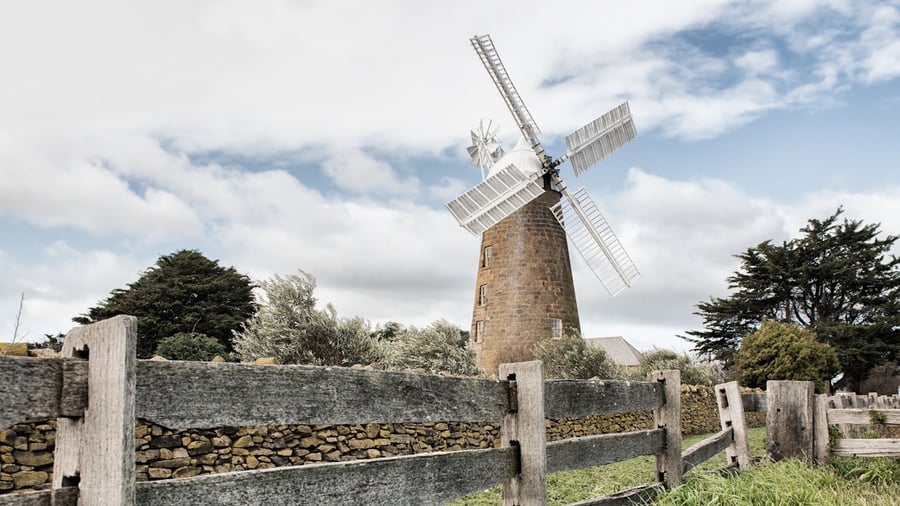
Set in the historic sandstone town of Oatlands in central Tasmania, Callington Mill is one of those rare attractions where industrial heritage meets modern craftsmanship in a way that feels both polished and proudly old-world. Surrounded by Georgian-era streetscapes and convict-built architecture, the 1830s windmill rises unexpectedly above the quiet town like a postcard from another century that somehow kept spinning into the present.
Callington Mill was originally constructed in 1837, during Tasmania’s early colonial period, when flour milling was essential to sustaining remote settlements. Built in the traditional English tower mill style, it was designed to harness the strong Tasmanian winds and grind grain for the growing agricultural region. Over time, as industrial milling methods evolved, the structure fell into disuse—until it became one of the country’s most ambitious heritage restorations.
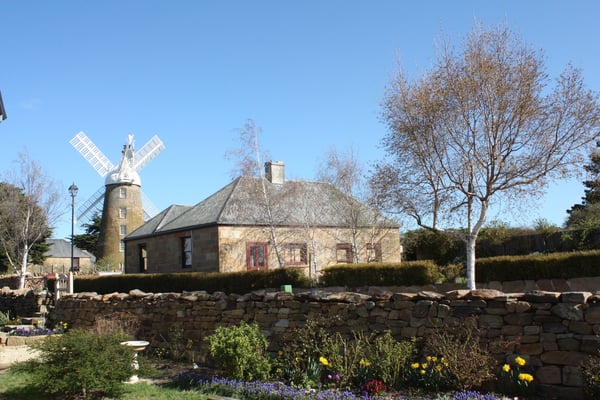
After decades of partial ruin, the mill underwent a major revival beginning in the early 2010s, led by private conservation efforts that aimed to restore both its physical structure and mechanical function. By 2012, the windmill had been rebuilt and recommissioned as a working heritage site, once again turning under wind power and drawing visitors curious to see historic milling technology brought back to life. The restoration has since been expanded further, transforming the precinct into a broader visitor experience.
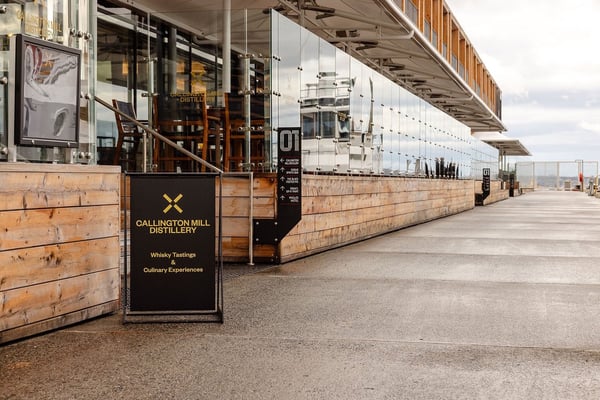
In a modern twist that has helped redefine its identity, the Callington Mill precinct also evolved into a contemporary distillery hub, with the Callington Mill Distillery opening in 2021–2022. This addition brought whisky production into the historic setting, blending Tasmania’s fast-growing reputation for premium spirits with the site’s agricultural and industrial past. The result is a destination where visitors can tour a working windmill, then step into a tasting room producing small-batch whisky on-site.
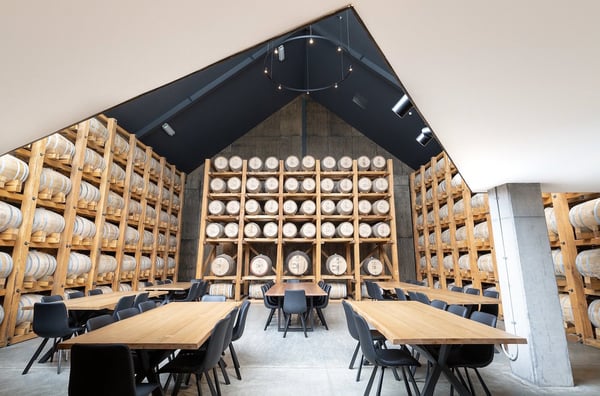
What makes Callington Mill especially noteworthy is how seamlessly it fuses heritage preservation with living industry. Unlike static museum pieces, the mill is active—grinding grain when conditions allow—while the surrounding precinct has become a social and culinary stop for travellers exploring Tasmania’s interior. Even figures from Australia’s broader whisky and heritage tourism scene have praised Oatlands as an example of how rural towns can reinvent themselves without losing their historical character.
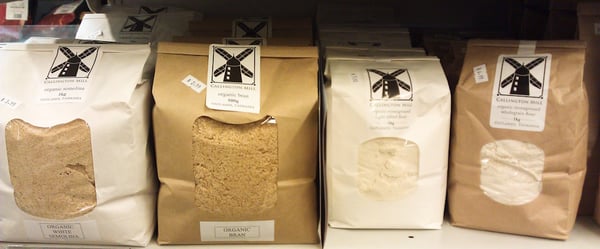
Today, Callington Mill stands as both landmark and symbol: a reminder of Tasmania’s early colonial engineering ingenuity and a sign of how that legacy can be reimagined for a modern audience. Whether you arrive for the windmill’s rhythmic motion, the sandstone streets of Oatlands, or a tasting of locally crafted spirits, it delivers something unexpectedly memorable—proof that even the quietest towns can have stories that still turn with the wind.





 @IKnowThePilotAU
 @IKnowThePilotAU