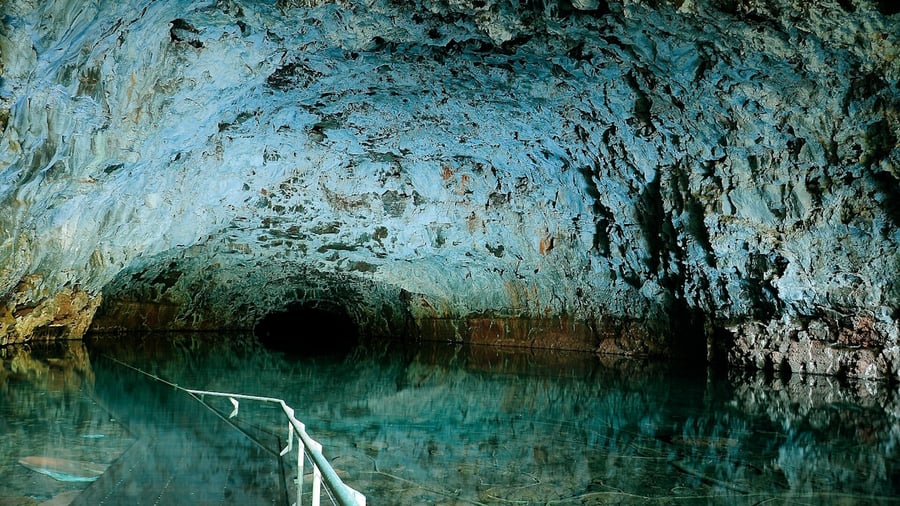
Deep in Tropical North Queensland, about 3.5 to 4 hours west of Cairns along the Savannah Way, the Undara Lava Tubes are one of Australia’s most surreal natural wonders—a place where ancient volcanic chaos froze into quiet, cathedral-like tunnels you can actually walk through today. Set within Undara Volcanic National Park, this underground network feels like stepping into Earth’s memory bank, only way more dramatic.
The story starts around 190,000 years ago, when the Undara Volcano erupted in one of the largest lava flows ever recorded from a single eruption. Scientists estimate an astonishing 23 cubic kilometres of lava poured across the landscape, travelling more than 160 kilometres in places and even enough to theoretically fill Sydney Harbour in just a few days. As the molten rivers rushed through ancient valleys, the outer layer cooled and hardened while the lava inside kept flowing—eventually draining away and leaving behind hollow tubes like natural underground highways.
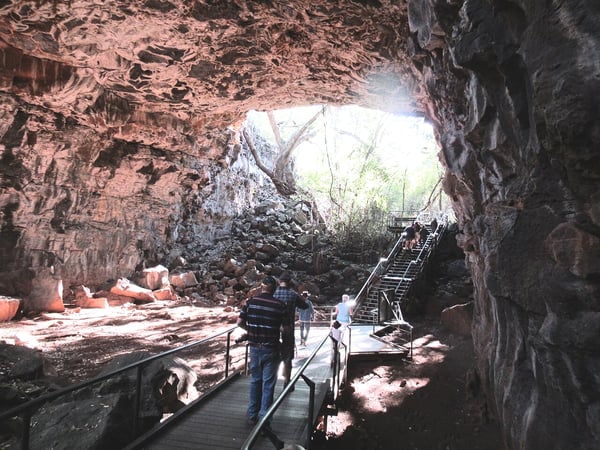
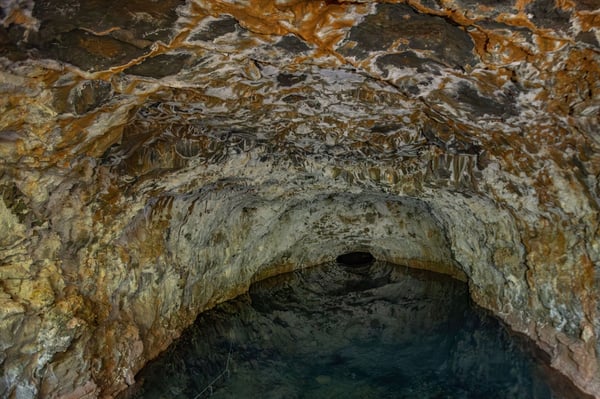
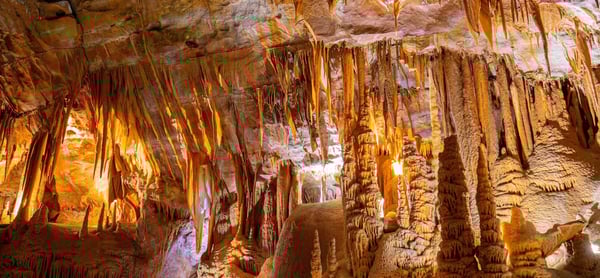
What makes the formation so fascinating is how “alive” it still feels geologically. Over time, sections of the tube roofs collapsed, creating more than 70 caves and skylights that now open the system to daylight and rainforest growth. Some entrances are lush with vine thickets and fig trees, while deeper chambers remain dark, cool, and eerily silent—home to bats, rock-wallabies, and some of Australia’s most specialised subterranean ecosystems.
The tubes themselves are enormous in scale, with some sections stretching over 11 metres high and 22 metres wide, making them feel less like caves and more like underground railway tunnels carved by nature. One of the most famous sections, Bayliss Cave, is over a kilometre long and is internationally recognised for its biodiversity, ranking among the richest cave systems of its kind in the world when studied in detail.
For thousands of years, the lava tubes were known to the Ewamian People, the Traditional Owners of the land, who continue to care for Country today. European pastoralists later used the surrounding land as cattle stations in the 1800s, but it wasn’t until the late 20th century that the tubes gained scientific attention and tourism development, particularly from the Collins family who helped establish the “Undara Experience” in the 1980s. Guided tours now balance access with conservation, ensuring the fragile cave environments remain protected.
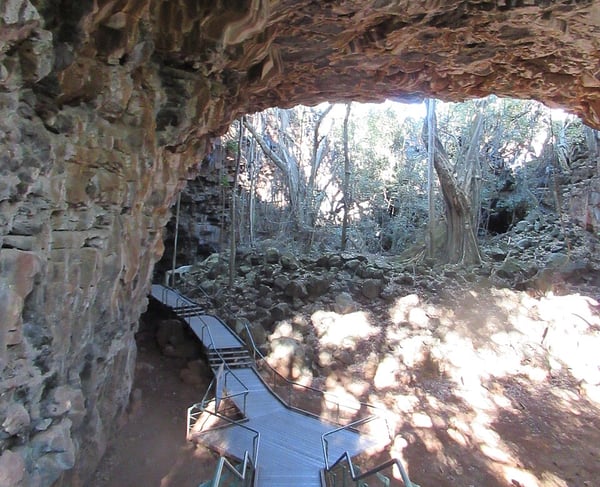
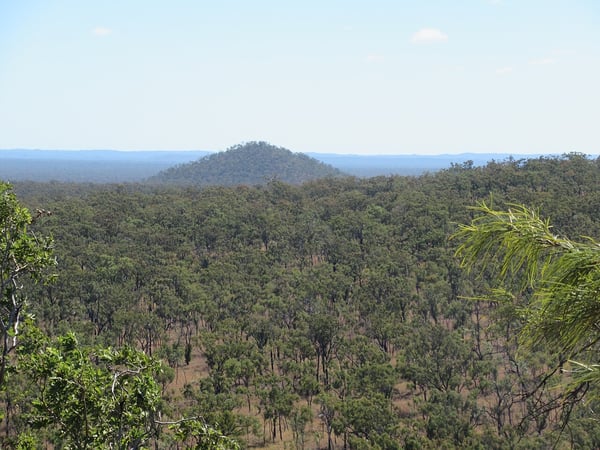
Today, visiting Undara feels like touring a planet-sized science fiction set—except it’s real, ancient, and still quietly evolving. Between bushland safaris, torch-lit cave walks, and stories of volcanic fury frozen in stone, it’s one of those rare places where geology becomes theatre. And the best part? You’re not just looking at history—you’re literally walking through it.



 @IKnowThePilotAU
 @IKnowThePilotAU